
Summer is the hardest season your lawn faces all year. Heat, drought, pests, and disease all show up at the same time. Your grass is already under stress- and one wrong move can make things much worse. The good news? Most summer lawn damage is preventable. It does not come from pure neglect. It comes from doing the wrong things at the wrong time.
American homeowners spend an average of $616 per year on lawn and garden care. Yet a few simple mistakes- watering at the wrong hour, mowing too short, or fertilizing at the wrong time- can erase that entire investment in a single season.
This guide gives you a clear, actionable summer lawn care plan. You will learn exactly how to mow, water, fertilize, and fight weeds and pests. Every tip here is direct and practical. No fluff- just what works.
Summer Lawn Care Schedule- Month by Month
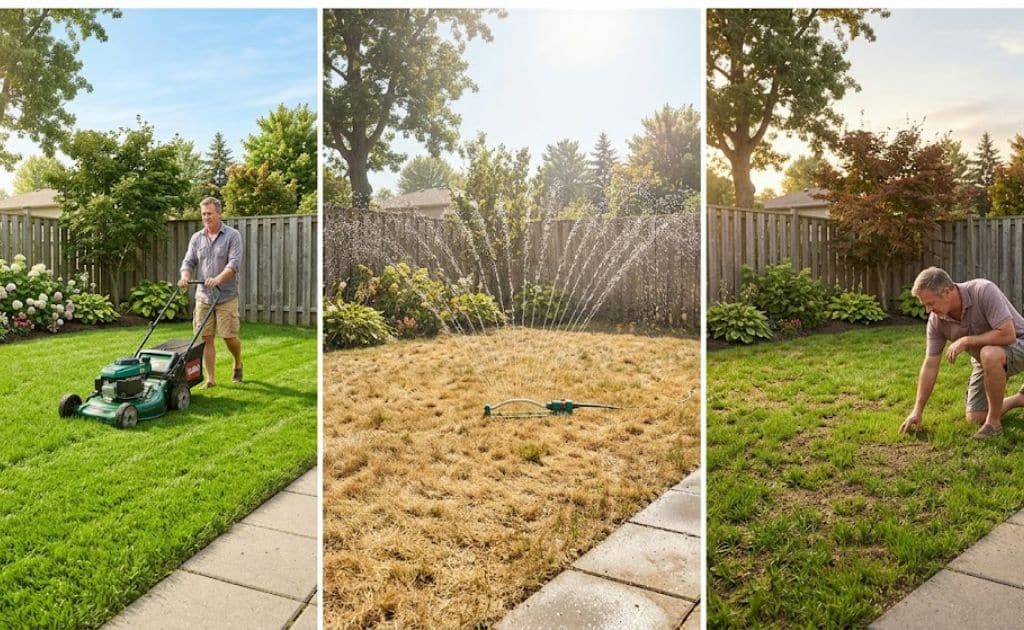
A solid summer lawn care schedule keeps you ahead of every problem. Summer is not one single season for your lawn. It shifts in June, July, and August- and your lawn needs different things each month.
Early Summer Lawn Care (June)
June is when your lawn enters peak growing mode. Warm-season grasses like Bermuda and Zoysia thrive right now. Cool-season grasses like fescue start feeling the heat.
Here is what to do in June:
- Mow high. Raise your mower blade to 3–4 inches. Taller grass shades the soil and holds moisture longer.
- Fertilize warm-season grass. June is the right time to feed Bermuda, Zoysia, and St. Augustine. Use a slow-release nitrogen fertilizer.
- Treat for grubs early. Grub beetles lay eggs in June. Apply grub control before they hatch and destroy your roots.
- Control weeds now. Crabgrass and broadleaf weeds push hard in early summer. Spot-treat before they spread.
Do not let early summer fool you. The lawn looks great in June- but the stress is building under the surface.
Mid-Summer Lawn Care (July)
July brings the most heat and the most risk. This is the month where mistakes hurt the most. Your goal in July is simple: protect the lawn, not push it.
Here is what to do in July:
- Reduce mowing frequency. Grass grows more slowly in extreme heat. Mow only when needed- never more than one-third of the blade at once.
- Water deeply in the morning. Water between 6–10 a.m. Deep, infrequent watering builds stronger roots.
- Do not fertilize cool-season grass. Feeding fescue or bluegrass in July causes serious damage. Wait until fall. (University of Minnesota Extension)
- Watch for brown patch. Humid nights in July create the perfect conditions for fungal disease. Reduce evening watering immediately if you spot it.
Mid-summer lawn fertilizer rules are simple: feed warm-season grasses only and leave cool-season grasses alone until temperatures drop.
Late Summer Lawn Care (August)
August is your recovery and prep month. The worst heat is passing. Now you shift your focus toward fall strength.
Here is what to do in August:
- Assess drought damage. Identify bare or thin spots before fall arrives. Learn how to fix large bare spots in your lawn before the growing season ends.
- Overseed warm-season lawns. August is a good time to fill in thin spots on Bermuda or Zoysia before they go dormant.
- Resume light fertilizing. As temperatures dip below 90°F, you can apply a light round of fertilizer to warm-season grass.
- Prep for fall aeration. If your soil is compacted, plan for aeration in early fall. Compacted soil holds heat and blocks water absorption all summer long.
How to Mow Your Lawn in Summer
Mowing is the most common summer lawn care task- and the most commonly done wrong. These lawn care tips for summer mowing will save your grass from serious heat stress.
Mow high. Set your mower blade to 3–4 inches during summer. Taller grass does three things: it shades the soil, reduces water evaporation, and grows deeper roots. Deeper roots reach moisture that sits lower in the soil.
Follow the one-third rule. Never cut more than one-third of the grass blade in a single mowing. If your grass is 4 inches tall, cut no more than 1.5 inches off the top. Cutting too much at once shocks the grass and exposes the soil to direct heat.
Keep your mower blade sharp. A dull blade tears and shreds the grass tip instead of cutting it cleanly. Torn grass tips turn brown fast and become an open door for disease. Sharpen your blade at least once during the summer season.
Leave grass clippings on the lawn. Do not bag your clippings in summer. They decompose quickly and return nitrogen to the soil. This is free, natural fertilizer with zero effort.
Fertilizing Your Lawn in Summer
Fertilizing in summer requires more care than any other season. The wrong product- or the wrong timing- can burn your lawn when it is already stressed.
When to Fertilize in Summer
Warm-season grasses (Bermuda, Zoysia, St. Augustine, Centipede) are in active growth during summer. Feed them every 4–6 weeks from June through August.
Cool-season grasses (Fescue, Kentucky Bluegrass, Ryegrass) slow way down in summer heat. Do not apply summer lawn fertilizer to cool-season grass during peak heat. It causes fertilizer burn and makes drought stress worse. Wait for fall temperatures to return. For a complete cool-season approach, see this cool-season lawn care guide.
What Type of Fertilizer to Use
Use a slow-release nitrogen fertilizer for all summer feedings. Slow-release products feed your grass gradually over several weeks. They do not spike nitrogen levels all at once, which can burn heat-stressed turf.
Avoid high-nitrogen, fast-release fertilizers in summer. They push rapid green growth that the root system cannot support in high heat. This weakens the grass and makes it vulnerable to disease.
If you want summer weed and feed for lawns, choose a product designed specifically for summer use. Read the label carefully- many weed and feed products should not be applied above 85°F.
The best grass fertilizer for summer is one that matches your grass type, delivers slow-release nitrogen, and includes directions for hot-weather application.
Mid-Summer Fertilizer Application Tips
When applying mid-summer lawn fertilizer, follow these steps:
- Apply early in the morning before temperatures rise.
- Water the fertilizer into the soil immediately after spreading.
- Follow the label rate exactly- do not double-apply, thinking more is better.
- Never fertilize a dry or drought-stressed lawn. Water first, wait 24 hours, then fertilize.
Weed Control During Summer
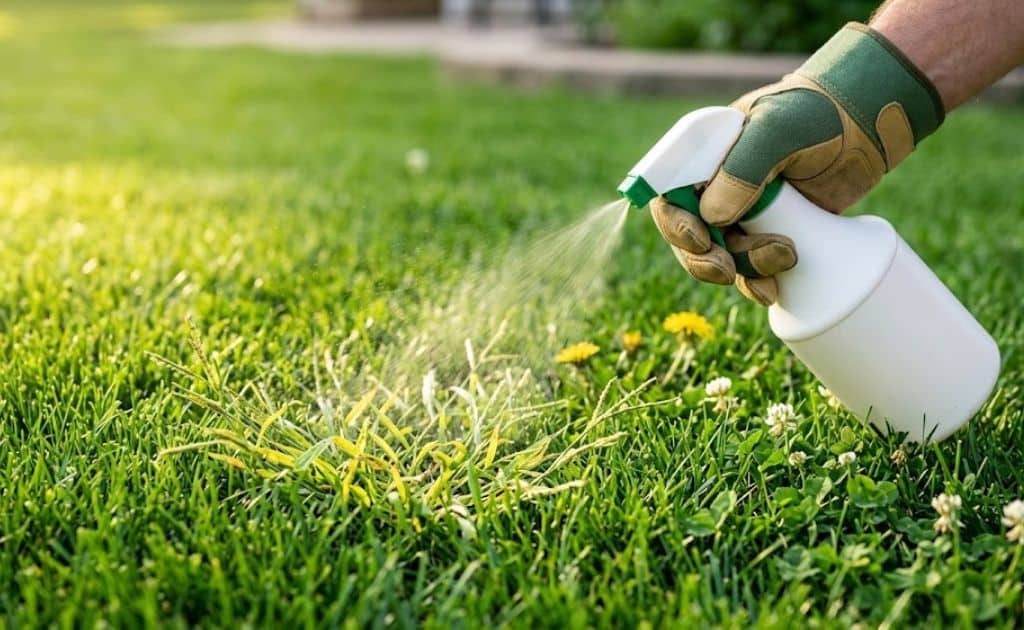
Weeds love summer. They compete directly with your grass for water, nutrients, and space. Good summer landscaping tips always include a plan for weed control- not just aesthetics.
Know the common summer weeds. Crabgrass is the most aggressive summer weed in most U.S. regions. Dandelions and clover also push hard in summer heat. Identify what you are dealing with before you treat.
Avoid broadcast herbicide applications above 85°F. Spraying herbicide across your entire lawn in peak heat stresses both the weeds and your grass. Your lawn is already heat-stressed. A full herbicide application at high temperatures can cause serious turf damage.
Spot-treat instead. When temperatures are below 85°F- usually early morning- spot-treat actively growing weeds with a targeted post-emergent herbicide. This keeps damage controlled and precise.
Grow thick grass as your best weed barrier. Healthy, dense turf is the most effective weed control tool you have. Weeds struggle to germinate and establish in a thick lawn. Every good mowing, watering, and fertilizing decision you make directly reduces your weed pressure.
Summer Lawn Pest and Disease Control
Pests and diseases move fast in summer. If you catch them early, the fix is simple. If you wait too long, recovery takes weeks.
Common Summer Lawn Pests
Grubs are beetle larvae that live underground and chew through grass roots. The first sign is brown patches that peel back from the soil like a loose carpet. Treat in June before they hatch into adults. If you missed early treatment, apply a curative grub product in late summer.
Fall armyworms arrive in July and August across the Southeast and southern plains. They feed at night. You will notice birds working a section of your lawn- that is a warning sign. Check at dusk by parting the grass and looking for small caterpillars. Learn the exact signs of armyworms in your lawn before damage spreads.
Chinch bugs damage warm-season grass- especially St. Augustine- in hot, dry conditions. They suck moisture from grass blades and leave irregular yellow-brown patches.
Common Summer Lawn Diseases
Brown patch is the most widespread summer lawn disease. It thrives in humid conditions with warm nighttime temperatures. You will see circular, brown patches with a darker outer ring. The fix starts with reducing evening watering immediately.
Dollar spot creates small, silver-dollar-sized brown spots scattered across the lawn. It signals a nitrogen deficiency combined with wet conditions. A light fertilizer application often resolves it in warm-season grass.
Summer patch attacks the root system of cool-season grass. It causes wilting and browning in irregular patterns. Knowing when to apply fungicide to your lawn is critical- timing matters as much as the product you choose.
Prevention Comes First
Most summer pest and disease problems are preventable with three habits:
- Mow at the right height with a sharp blade
- Water deeply in the morning- never at night
- Fertilize correctly by grass type and season
When you get these three things right, your lawn builds the natural resistance to fight off most threats on its own.
Summer Lawn Care Mistakes to Avoid
Even well-meaning homeowners make these mistakes every summer. Avoid them and your lawn will stay ahead of most problems.
Watering in the evening. Water that sits on grass blades overnight creates the ideal environment for fungal disease. Brown patch and dollar spot both thrive in wet, humid nighttime conditions. Always water in the morning.
Cutting the grass too short. Scalping- cutting too low- exposes the soil directly to summer heat. It kills the root zone, dries out the soil, and lets weeds take over fast. Keep your blade high all summer.
Fertilizing dormant or drought-stressed lawns. Fertilizer needs active, healthy roots to work. Applying it to stressed grass causes burn and makes recovery harder. Always check your grass condition before you fertilize.
Ignoring early pest and disease signs. A small brown patch today becomes a large dead zone in two weeks. Check your lawn weekly during the summer. Early detection is everything.
Allowing heavy foot traffic on stressed turf. Drought-stressed and heat-damaged grass is fragile. Compaction from repeated foot traffic slows recovery significantly. Protect problem areas until conditions improve.
Conclusion
Summer lawn care is not complicated- but timing and consistency are everything. The same actions that help your lawn in spring can hurt it in July. The difference is knowing when to act and when to hold back.
To recap the key pillars: mow high and keep blades sharp, water deeply in the morning, fertilize based on your grass type and the month, stay ahead of weeds with spot treatments, and manage drought stress by working with your lawn- not against it. These habits do not take much time. But they make a big difference by the end of August.
A lawn that survives summer well is already set up for a strong fall. The root system is healthy, the turf is dense, and recovery comes fast once cooler temperatures arrive. If you want to stay on track all year long, start with a solid seasonal lawn care guide and checklist– it keeps every season organized and takes the guesswork out of lawn maintenance.
