
Every spring, homeowners ask the same question. When should you start mowing your lawn? You look outside and see some green. But you are not sure if it is time yet.
Mowing too early can damage your grass roots. It can compact the soil and slow down your lawn all season. One wrong cut in early spring can set your yard back for weeks.
The good news? Your lawn tells you exactly when to start cutting grass in spring. You just need to know what to look for. No guessing. No calendar dates.
This guide gives you the exact answer. You will know when to start mowing your lawn in spring- by grass type, by region, and by the signs your lawn shows you.
When to First Mow Your Lawn in the Spring
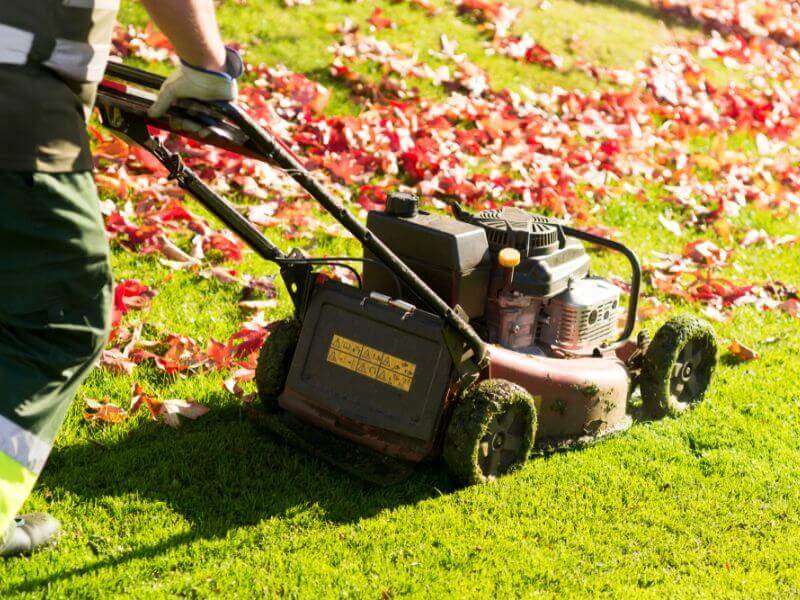
There is no single date that works for every lawn. Spring lawn care starts when your grass is actually ready- not when the calendar says so.
Here is the simple rule: mow when your grass reaches 3 inches tall. At that height, your lawn is in active growth. It can handle a cut without stress.
But height alone is not enough. You also need to check your soil temperature. Cool-season grasses start growing when soil temperature exceeds 50°F. Warm-season grasses need soil temperatures around 65–70°F before they break dormancy.
A few warm days can fool you. Air temperatures rise and fall quickly in spring, but soil temperatures change more slowly. So do not rush it.
Take your soil temperature reading in the morning at a 4-inch depth. That gives you the most accurate number. A basic soil thermometer costs around $10 at any garden center.
Once your grass hits 3 inches and your soil hits the right temperature, you are ready. That is when to start cutting grass in spring.
3 Signs Your Lawn Is Ready to Mow in Spring
Do not go by the date. Go by what your lawn is actually showing you. These three signs tell you it is time.
1. Grass Has Reached 3 Inches Tall
Grab a ruler if you need to. When your grass blades hit 3 inches, your lawn has enough height to cut safely. Anything shorter and you risk cutting into the crown of the grass. That is the growing point. Damage it, and your lawn struggles all season.
2. The Ground Feels Firm Underfoot
Walk across your yard. Does it feel spongy or soft? If yes, wait. Soft ground means the soil is still holding too much winter moisture. Mowing on wet, soft soil compacts it. Compacted soil blocks water, air, and nutrients from reaching your grass roots. Wait until the ground feels solid before you roll your mower out.
3. No Frost Is in the Forecast
Check your local frost dates before that first cut. A surprise frost after mowing stresses your lawn hard. Freshly cut grass blades are more exposed. They cannot handle a sudden freeze as well as longer, untouched grass can.
When all three signs line up, that is exactly when you should start mowing your lawn in spring. Do not wait for all conditions to be perfect for weeks. One solid window is all you need.
When to Start Mowing Based on Your Grass Type
Not every lawn follows the same schedule. Your grass type controls when mowing season actually starts for you. Get this wrong, and you either mow too early or miss the best window.
There are two main categories. Know which one you have.
Cool-Season Grasses- Start Mowing March to April
Cool-season grasses include Kentucky bluegrass, tall fescue, and perennial ryegrass. These grasses grow best when temperatures stay between 60°F and 70°F. They wake up fast in early spring. That means lawn mowing season can start as early as late March for most homeowners.
Watch the growth closely in March. Once blades hit 3 inches, make your first cut.
Warm-Season Grasses- Start Mowing April to May
Warm-season grasses include Bermuda grass, Zoysia grass, and St. Augustine grass. These grasses need warmer soil to emerge from winter dormancy. They do not start growing strongly until soil temperatures reach 65°F or higher.
Mowing warm-season grass too early does real damage. The grass looks green on top but is still dormant underneath. Wait for steady growth before you cut.
Not sure what grass type you have? Check with your local cooperative extension office. They will tell you exactly what grows in your area and when to start mowing your lawn this spring.
When to Start Mowing by Your Region in the US
Your zip code matters just as much as your grass type. Mowing season starts at different times across the country. Find your region below.
South- Mid to Late March
States like Texas, Florida, and Georgia warm up fast. Warm-season grasses break dormancy early here. Most southern homeowners can start cutting grass in spring by mid-March.
Midwest and Mid-Atlantic- Early to Mid-April
States like Ohio, Virginia, and Illinois see slower soil warming. Cool-season grasses dominate this region. Plan your first mow around early to mid-April.
North- Late April to Early May
States like Minnesota, Michigan, and Maine hold frost longer. Lawn mowing season does not start here until late April at the earliest. Do not rush it.
Your region gives you a starting window. Your grass height and soil temperature give you the final green light.
Not sure what else to do each month? Our month-by-month lawn care calendar breaks it all down for you.
Signs You Should Not Mow Your Lawn Yet
Knowing when to start mowing your lawn in spring is important. But knowing when to wait is just as important. These three signs tell you to hold off.
1. The Ground Is Still Soggy or Frosted
Step on your lawn. Does water squeeze up around your feet? Stop right there. Mowing on waterlogged soil tears up your turf and compacts the ground underneath. Soil compaction cuts off oxygen and nutrients to your grass roots. Wait for the ground to dry out and firm up first.
2. Your Grass Is Under 3 Inches
Short grass is not ready grass. When grass blades sit under 3 inches, your lawn is still recovering from winter dormancy. Cutting it now removes too much of the blade at once. That shocks the plant and slows down spring growth significantly.
3. Temperatures Are Consistently Below 40°F
A few warm afternoons do not mean spring is here. If your daily air temperatures keep dropping below 40°F, your grass is not in active growth yet. Mowing cold, slow-growing grass causes damage with zero benefit. Watch the forecast for at least a week of steady warmth.
If any one of these signs is true, step away from the mower. Give your lawn a few more days. A little patience now means a much healthier lawn all season long.
How to Do Your First Lawn Cut in Spring the Right Way
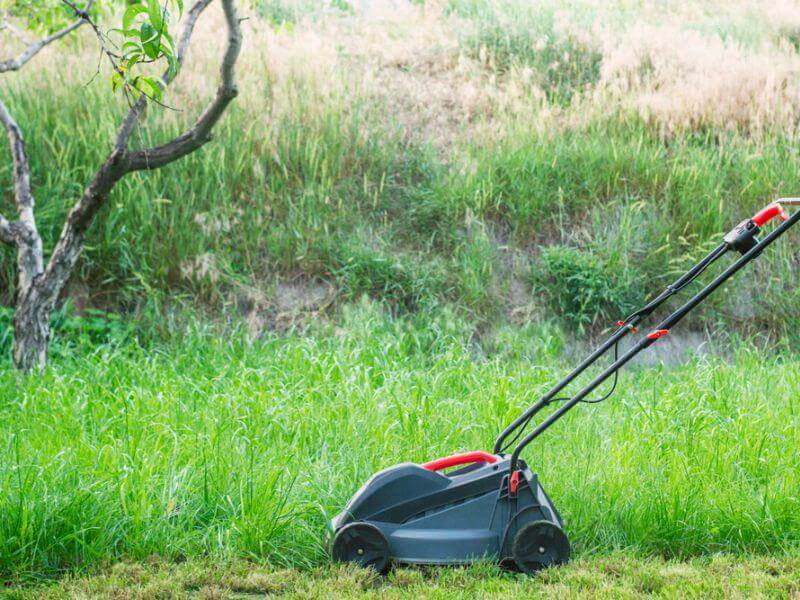
You know when to start mowing your lawn. Now do it right. Your first cut of the season sets the tone for your entire lawn’s health.
Set Your Mower Blade High
Do not scalp your lawn on the first cut. Set your mower blade height to leave grass at 3 to 3.5 inches after cutting. Taller grass develops deeper root systems. Deeper roots handle heat, drought, and foot traffic much better later in the season.
Follow the One-Third Rule
This is the most important rule in lawn mowing. Never cut more than one-third of the grass blade in a single mowing. If your grass is 4 inches tall, cut it down to no lower than 2.6 inches. Cutting too much at once shocks the plant. It weakens your lawn and opens the door for weeds to move in fast.
Bag Your First Clippings
After a long winter, your lawn collects dead thatch and debris on the surface. Bag your grass clippings on the first cut. This removes the buildup and lets sunlight and air reach the soil. After the second or third mow, switch to mulching. Mulched clippings return nutrients directly back into your lawn.
Do your first cut right and your lawn will reward you all spring. Next, let us look at how often you should mow once the season gets going.
How Often to Mow Your Lawn After the First Spring Cut
One cut does not set your schedule. Your lawn keeps growing, and you need to keep up. Here is exactly how often to mow as the spring mowing season moves forward.
Early Spring- Every 10 to 14 Days
Right after your first mowing of the season, your lawn grows slowly. Soil temperatures are still rising. Grass growth rate stays moderate in early spring. Mowing every 10 to 14 days is plenty at this stage. Do not mow more often just because you feel like it. Unnecessary cuts stress your lawn when it is still building strength.
Late Spring- Every 7 Days
As temperatures climb and soil warms up, your lawn shifts into high gear. Cool-season grasses especially push hard in late spring. Weekly mowing becomes necessary to keep up with active grass growth. Stick to the one-third rule every single time. Never let your lawn get so tall that one cut takes off too much.
The Simple Trigger to Follow
Forget the calendar. Watch your grass instead. When it hits 3 inches, mow it. That single habit keeps your lawn healthy all season long without overthinking the schedule.
A consistent mowing schedule in spring builds a thick, strong lawn. That thickness crowds out weeds and helps your grass handle the summer heat ahead.
Conclusion
Starting your lawn mowing season in spring does not have to be confusing. The answer is always the same. Watch your grass, check your soil temperature, and look for those three clear signs.
Here is what to remember:
- Wait until the grass reaches 3 inches and the soil hits 50°F
- Match your start time to your grass type and region
- Never mow on soggy ground or before frost clears
- Set your mower blade high on the first cut
- Mow every 10 to 14 days early on, then weekly as growth picks up
Do these things, and your lawn will stay thick, healthy, and strong all season long. Or follow our complete seasonal lawn care guide and checklist to cover everything your lawn needs this spring.
