
Most homeowners want a healthy, green lawn, but don’t know where to start. This seasonal lawn care guide gives you a clear, season-by-season checklist- spring through winter with a monthly calendar. You will learn exactly what to do, when to do it, and why it matters for your specific grass type.
No guesswork. No wasted money. Just a simple lawn care schedule that works.
Whether you are a first-time homeowner or you have maintained a lawn for years, this guide fits your needs. Start with spring and work your way through- your best lawn starts here.
Why a Seasonal Lawn Care Schedule Matters
Timing drives every result in lawn care. Apply fertilizer too early, and you feed weeds, not grass. Water at the wrong time and you waste money and invite disease. A proper lawn care seasonal schedule removes the guesswork and puts every action in the right window.
Key Benefits of Following a Lawn Care Schedule
A consistent lawn maintenance schedule saves you time, money, and frustration. Here is what the data shows:
- Homeowners spend an average of 70 hours per year on lawn care
- Correct watering timing cuts water use by up to 75%- LawnStarter
- Skipping fall aeration directly causes thinner, weaker grass the following spring
A schedule also stops small problems from becoming expensive ones. Miss one step and the next season pays the price. Stay consistent, and your lawn rewards you year after year.
Cool-Season vs. Warm-Season Grass- Know Your Lawn First
Before you follow any lawn care guide, identify your grass type. It changes everything.
Cool-season grasses– Kentucky Bluegrass, Tall Fescue, and Ryegrass- grow strongest in spring and fall. They slow down in summer heat and go dormant in winter.
Warm-season grasses– Bermuda, Zoysia, and St. Augustine- peak in summer. They go dormant when temperatures drop below 55°F.
Your entire lawn care by season plan shifts based on which type you have. Use the USDA Plant Hardiness Zone Map to confirm your growing zone before you begin.
Now that you know your grass type, let’s build your season-by-season action plan- starting with spring.
Spring Lawn Care Checklist
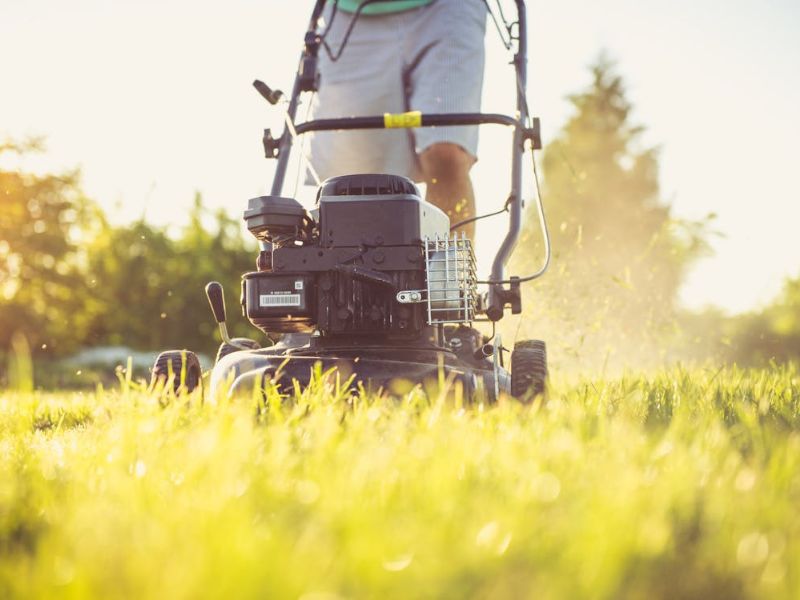
Spring sets the tone for every season that follows- get it right here first.
Clean Up Debris and Inspect the Lawn
Start your spring lawn-care checklist with a thorough cleanup. Winter leaves behind more damage than most homeowners expect.
- Remove all dead leaves, twigs, and matted grass from the surface
- Look closely for snow mold, dead patches, and any winter damage
- Rake lightly across the lawn- aggressive raking tears healthy grass roots
Walk the entire lawn slowly. Note every problem area before you do anything else. Early inspection saves you from treating the wrong problem with the wrong product.
Test Your Soil Before Anything Else
Most homeowners skip soil testing. That single mistake costs them an entire season of results.
- Run a soil pH test first- the ideal range for most grass types is 6.0–7.0
- Apply lime if your soil tests too acidic- apply sulfur if it tests too alkaline
- Choose your fertilizer based on actual test results, not what the bag recommends
Guessing your soil condition leads to wasted product and weak grass. A simple test costs under $20 and takes 15 minutes. Knowing your exact soil needs puts every fertilizer dollar in the right place.
Apply Spring Lawn Treatment and Fertilizer
Fertilizing at the right time makes the biggest difference in your spring lawn treatment results.
- Wait until soil temperatures reach 55°F and your grass shows active, visible growth
- Use a slow-release nitrogen fertilizer- it feeds grass steadily over 6–8 weeks
- Never fertilize too early in spring- cold soil sends nutrients straight to weeds
Check your local soil temperature using a cheap probe thermometer or your county extension website. Apply fertilizer evenly across the lawn using a broadcast spreader. Uneven application creates patchy growth that is hard to fix later in the season.
Control Early Weeds with Pre-Emergent
Pre-emergent weed control stops weeds before they ever break the soil surface.
- Apply pre-emergent herbicide when soil temperatures consistently hit 50–55°F
- Pre-emergent directly targets crabgrass and other annual weeds before they sprout
- Never apply pre-emergent if you plan to overseed- it stops grass seed germination too
Timing pre-emergent correctly is one of the most important steps in any spring lawn care schedule. Apply it too late and crabgrass wins. Apply it during overseeding, and you kill your own seed. Get the timing right, and you eliminate most weed problems before summer arrives.
Mow High, Overseed, and Water
Mowing, overseeding, and watering work together- treat them as one connected step.
- Start mowing when grass reaches 3–4 inches tall- not before
- Follow the one-third rule every single cut- never remove more than one-third of the blade
- Overseed thin or bare spots in early to mid-spring for warm-season grass or wait until fall for cool-season grass
- Water consistently at 1 inch per week- adjust based on how much rain your area receives
Mowing too short, too early stresses new growth and opens the lawn to weeds. Overseeding bare patches now prevents large dead zones from forming by summer. Water deeply two to three times per week rather than lightly every day- deep watering builds stronger, drought-resistant roots.
Your spring checklist is complete. Next, your lawn faces its toughest challenge- summer heat.
Summer Lawn Care Checklist
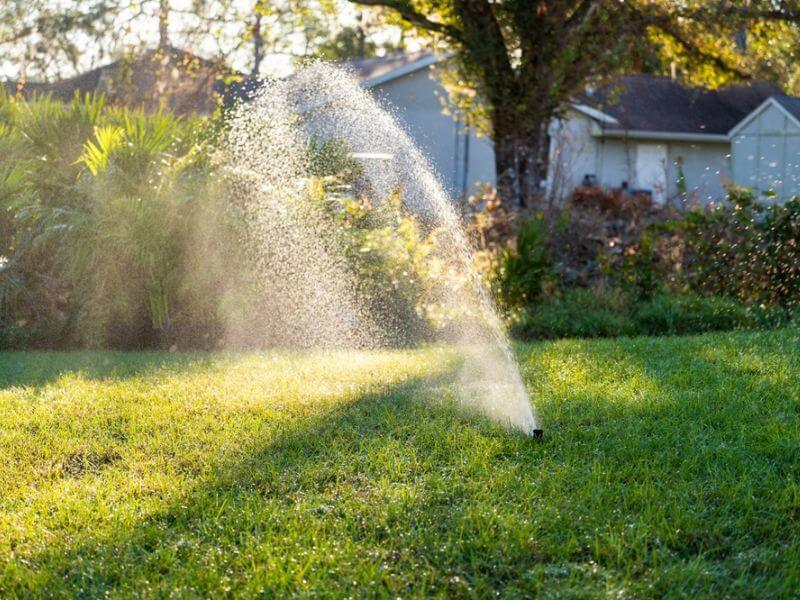
Summer is about protection and maintenance- not aggressive growth.
Water Deeply and Infrequently
Summer heat dries out your lawn fast. Water smarter, not more often.
- Give your lawn 1–1.5 inches of water per week- no more
- Water 2–3 times per week- daily watering grows shallow, weak roots
- Always water between 6–10 a.m.- morning watering cuts evaporation and fungal risk
Deep, infrequent watering trains roots to grow downward. That makes your lawn stronger and more drought-resistant through the hottest weeks.
Mow at the Right Height
Never mow your lawn short in summer. It does more harm than good.
- Raise your mower height by at least half an inch during summer
- Taller grass shades the soil, holds moisture, and fights drought naturally
- Leave clippings on the lawn- they break down and return nitrogen to the soil
One simple height adjustment protects your lawn throughout the entire summer season.
Monitor for Pests and Disease
Summer is the peak season for lawn pests and fungal disease. Check early and act fast.
- Inspect your lawn weekly for grubs, chinch bugs, and brown patch fungus
- Treat grub infestations between June and July- before they surface and spread
- Skip heavy nitrogen fertilizing in peak heat- it stresses and burns grass fast
Catching pest problems early costs far less than repairing a damaged lawn in the fall.
Light Feeding if Needed
Summer fertilizing depends entirely on your grass type. Know the difference.
- Warm-season grasses- feed lightly every 6–8 weeks through summer
- Cool-season grasses- skip summer fertilizing unless your lawn looks visibly stressed
- Always water the lawn immediately after fertilizing- it prevents fertilizer burn
When in doubt, do less. Overfeeding in summer heat causes more damage than underfeeding.
Fall Lawn Care Checklist
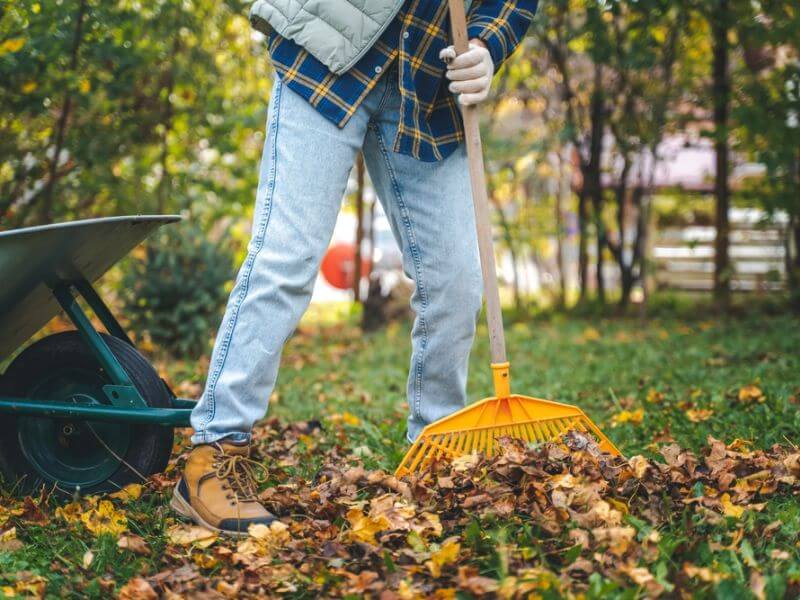
Fall is the best repair and strengthening window- especially for cool-season lawns.
Aerate, Overseed, and Mulch Leaves
Fall gives your lawn its best chance to recover from summer stress. Use it well.
- Core aerate in September- it is the single best treatment for compacted soil
- Overseed immediately after aeration- seeds drop into open channels and germinate faster
- Mow over light leaf cover to mulch it- rake or blow heavy leaf buildup away
- Never let leaves sit on the lawn- they block sunlight and trap moisture underneath
Aeration and overseeding together produce thicker, stronger grass by the following spring. Do both in the same week for the best results.
Heavy Fertilization for Root Strength
Fall fertilizing builds the root strength your lawn needs to survive winter.
- Apply a winterizer fertilizer at least 6 weeks before your first expected frost
- Choose a fertilizer with high potassium- it hardens roots against freezing temperatures
- Cool-season grasses absorb fall fertilizer best- this is their peak active growth window
Strong roots in winter mean faster green-up in spring. Do not skip this step.
Final Mowing and Weed Control
Your last few mows of the season matter more than most homeowners realize.
- Lower your mowing height gradually over the last 2–3 cuts of the season
- Finish the season at 2–2.5 inches- too short risks frost damage, too long risks disease
- Apply post-emergent weed control on any actively growing weeds before temperatures drop below 50°F
End the season clean. A well-finished fall sets up the easiest possible spring start.
Winter Lawn Care Checklist
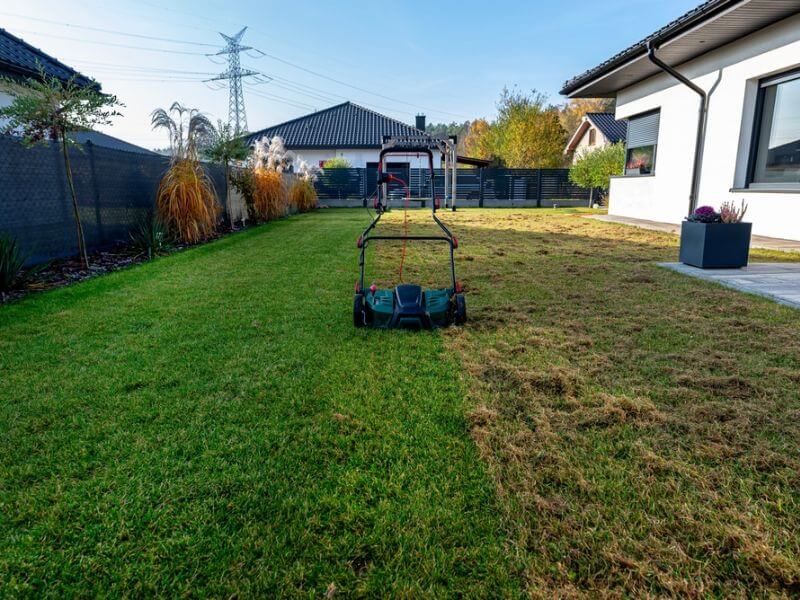
Winter requires very little work- but a few habits protect everything you built.
Limit Foot Traffic on Dormant Grass
Dormant grass looks tough. It is not.
- Frozen or frost-covered grass blades snap under any pressure
- Keep foot traffic, pets, and all equipment off dormant lawn areas
- Repeated traffic over the same path creates permanent dead lanes by spring
One simple habit- stay off the grass- saves hours of repair work come spring.
Clear Snow and Ice Safely
Snow and ice removal directly affects your lawn’s health. Do it the wrong way, and you cause real damage.
- Never pile driveway or sidewalk snow on your grass- salt and compaction kill dormant turf
- Use sand or non-salt ice melt products near all lawn edges
- Remove heavy snow from grass areas if it sits longer than a few days
Salt damage and soil compaction from snow piles show up as dead patches in spring. Protect your lawn edges now and avoid that problem completely.
Service Equipment and Plan Next Season
Winter is the perfect time to prepare for spring without the pressure of time.
- Sharpen mower blades and change the oil before you store equipment for the season
- Winterize your irrigation system before the first hard freeze hits
- Order seeds, fertilizer, and soil amendments now- spring demand drives prices up fast
A little planning in winter makes your spring lawn care schedule faster and cheaper. You start the season ready, not scrambling.
With all four seasons covered, here is one simple reference chart that pulls it all together.
Year-Round Lawn Care Maintenance Schedule
Use this quick-reference table to stay on track every season.
Season-by-Season Quick Reference Table
Every lawn care task has the right season. This table shows you exactly when to act and when to skip.
| Task | Spring | Summer | Fall | Winter |
| Soil test | ✅ | — | — | ✅ Plan |
| Pre-emergent weed control | ✅ | — | — | — |
| Fertilize | ✅ | Warm-season only | ✅ Best time | — |
| Mow | ✅ Start high | ✅ Stay high | ✅ Lower gradually | Only if needed |
| Water | 1″/week | 1–1.5″/week | As needed | Minimal |
| Aerate | Optional | ❌ | ✅ Best time | ❌ |
| Overseed | Warm-season | ❌ | ✅ Cool-season | ❌ |
| Leaf removal | ✅ | — | ✅ | ✅ |
| Equipment service | ✅ | — | — | ✅ |
| Pest and disease check | — | ✅ | ✅ | — |
Print this table, save it to your phone, or bookmark this page. Check it at the start of every season before you do anything else.
Conclusion
A healthy lawn does not happen by accident- it follows a plan. This seasonal lawn care guide and checklist give you exactly that. Work through each season, hit the key tasks at the right time, and your lawn will show the results.
You do not need to be perfect. You just need to be consistent. One missed step will not ruin your lawn- but skipping entire seasons will. Stick to your lawn care schedule, and every year gets easier than the last.
Ready to take the next step? Save this checklist, share it with a neighbor, or contact a local lawn care professional to handle the heavy lifting for you.

