
Average homeowners spend 70 hours each year on lawn care (Lawnstarter). Many skip vital tasks at the wrong times. They waste effort and end up with patchy, unhealthy grass. This month by month lawn care calendar changes that. You find exact steps for every month of the year. It guides you through mowing, fertilizing, watering, and more.
We cover cool-season grasses like Kentucky bluegrass and tall fescue. We also handle warm-season grasses such as Bermuda and Zoysia. No more guesswork stresses you out. You match tasks to your grass type and local climate. Your lawn grows thick, green, and strong all year.
Homeowners who follow this guide see better results fast. Use this guide now- grab a notebook, check your grass type next, and start your lawn care calendar today!
Know Your Grass Type Before You Start
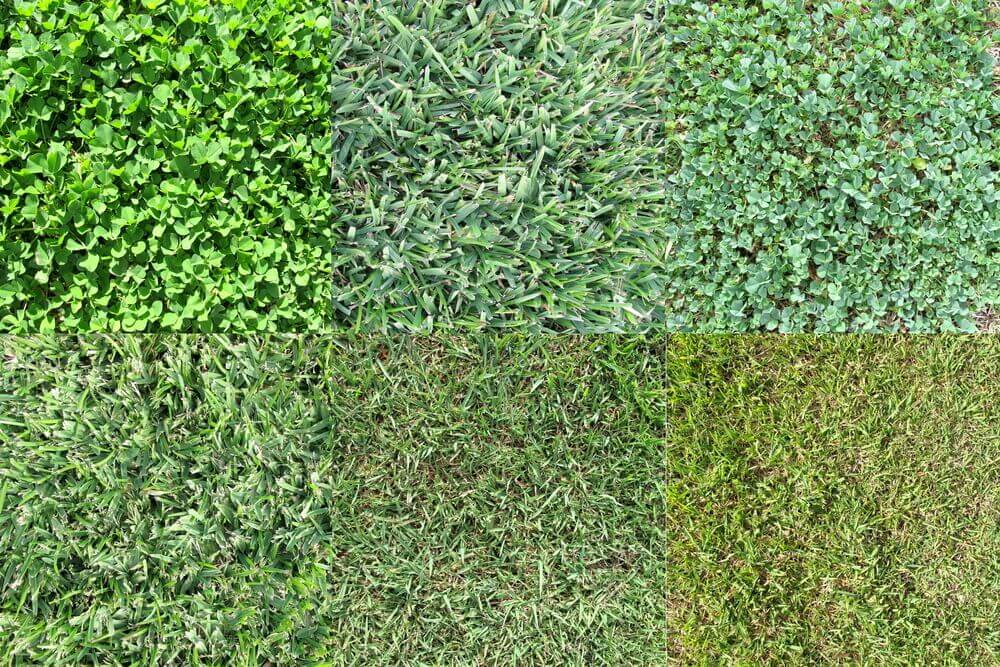
Success with any month by month lawn care calendar starts here. You pick the right tasks when you know your grass type. This seasonal lawn care guide shows you how to match your lawn to cool-season, warm-season, or transition zone grasses. Your monthly lawn care plan works best this way.
Cool-Season Grasses
Cool-season grasses grow fast in spring and fall. Kentucky bluegrass, tall fescue, and perennial ryegrass love cooler temps. They stay green through mild winters. You mow more in your lawn mowing schedule during these times. Heat slows them down in summer.
Warm-season grasses thrive in summer heat. Bermuda, Zoysia, and St. Augustine peak then. They go dormant and brown in winter. Your lawn care schedule shifts to heavy fertilizing and watering now. They handle hot, humid climates well.
Transition Zone Grasses
Transition zone grasses mix both worlds. You find tall fescue blends here most. They bridge northern cool areas and southern warm spots. Pick hybrids for your monthly yard maintenance. Test your zone to avoid confusion.
| U.S. Region | Cool-Season | Warm-Season | Transition Zone |
| Northeast (e.g., NY, PA) | ✓ Primary | ||
| Midwest (e.g., IL, OH) | ✓ Primary | ✓ Some areas | |
| South (e.g., FL, TX) | ✓ Primary | ||
| Southeast (e.g., GA, Carolinas) | ✓ Primary | ✓ Overlap | |
| Southwest (e.g., AZ, CA hot areas) | ✓ Primary | ✓ Mild spots | |
| Northwest (e.g., WA, OR cool) | ✓ Primary | carolinafreshfarms+1 |
Month by Month Lawn Care Calendar
Your month-by-month lawn care calendar starts here. This seasonal lawn care schedule gives clear tasks. You follow the steps for cool-season or warm-season grass. Pick your month and act now.
January- Lawn Care in the Off-Season
January feels like a break. But smart homeowners use this month to get ahead.
Cool-season grass: Stay off frozen grass as much as possible. Foot traffic on frozen blades crushes the grass cells and causes long-term damage.
Warm-season grass: Your lawn is fully dormant now. Clear fallen branches, leaves, and debris so mold does not build underneath.
Key task this month: Pull out your mower. Sharpen the blades, change the oil, and inspect every tool you own. A sharp blade cuts clean. A dull blade tears grass and invites disease.
January is quiet- but your prep work now saves you hours come spring.
February- Prepare for Early Growth
The ground is still cold, but your lawn is about to wake up. Get ready now.
Cool-season grass: Look for snow mold- white or pink patches left behind after snow melts. Gently rake affected areas to improve airflow. If road salt or ice melt touched your lawn, flush those spots with water after the ground thaws.
Warm-season grass: Check your soil temperature. Once it stays consistently above 50°F, apply a pre-emergent herbicide. This stops crabgrass and other weeds before they even sprout.
Key task this month: Run a soil test if you skipped it last fall. A soil test tells you exactly what your lawn needs- pH level, nutrient gaps, and everything in between. Without it, you are guessing.
February is your last quiet month. March moves fast- so tie up loose ends now.
March- Spring Lawn Care Begins
Spring is here. Your monthly lawn care routine kicks into full gear this month.
Cool-season grass: Rake out dead grass and winter debris first. Then watch your soil temperature. Once it hits 50–55°F, apply your pre-emergent herbicide to block early weeds from taking hold.
Warm-season grass: Most warm-season lawns are still dormant in March. Hold off on fertilizer. Feeding dormant grass does nothing- it just wastes money and stresses the roots.
Key task this month: Take your first mow of the year when grass reaches 3–4 inches tall. Always follow the one-third rule- never cut more than one-third of the blade at once. Cutting too much at once shocks your lawn and slows recovery.
Your lawn is waking up. Treat it gently this month, and it will reward you all season.
April- First Fertilizer and Weed Control
April is when your seasonal lawn care guide really starts delivering results.
Cool-season grass: Apply your first fertilizer of the year. Use 0.5 to 1 pound of nitrogen per 1,000 square feet. Spot-treat any weeds you see popping up. Catch them early before they spread.
Warm-season grass: Soil temperatures are climbing past 65°F. Your grass is slowly greening up and coming out of dormancy. Give it a little more time before you fertilize.
Key task this month: Check your lawn for thatch buildup or compaction. If the thatch layer exceeds half an inch, dethatch it. If the ground feels hard underfoot, core aerate. Both jobs open up your soil and let water, air, and nutrients reach the roots.
April sets the foundation. Do these tasks right and your lawn will thrive through summer.
May- Peak Spring Maintenance
May is the busiest month on your lawn care schedule- and the most rewarding.
Cool-season grass: Mow regularly and water deeply. Your lawn needs about 1 inch of water per week. If you have thin or bare patches, overseed them now while soil temperatures are still ideal for germination.
Warm-season grass: Active growth begins this month. Start your fertilizer program and mow on a consistent schedule. Your grass is hungry- feed it.
Key task this month: Apply a post-emergent herbicide to knock out broadleaf weeds like dandelions and chickweed. These weeds grow fast in May. Hit them now before they go to seed and multiply across your yard.
May reward the homeowners who show up consistently. Keep your routine tight, and your lawn will show it.
June- Summer Transition
Summer heat is coming. Your monthly yard maintenance strategy needs to shift right now.
Cool-season grass: Raise your mowing height to 3–4 inches. Taller grass shades the soil, holds moisture, and stays healthier in heat. Water deeply in the early morning- between 6 and 10 AM. This gives the grass time to dry before evening, which prevents fungal disease.
Warm-season grass: This is your prime growing season. Fertilize on schedule and mow frequently. Your lawn is at its strongest- keep up with it.
Key task this month: Inspect your lawn closely for grubs and surface pests. Grubs feed on grass roots underground. You will not see them until the damage is done. Check for soft, spongy spots or patches of grass that pull up easily- those are warning signs.
June is a turning point. How you care for your lawn this month determines how it handles the summer ahead.
July- Heat Stress Management
July is the hardest month for cool-season lawns. Warm-season lawns hit their peak.
Cool-season grass: High heat may push your lawn into summer dormancy- it turns brown but stays alive. Do not mow dormant grass. If you want to keep it green, water consistently at 1 to 1.5 inches per week. Never let it fully dry out and then flood it- that cycle causes serious stress.
Warm-season grass: Growth is at full speed. Mow frequently and apply your summer fertilizer on schedule. Your lawn can handle it right now.
Key task this month: Follow the one-third rule on every single mow. Never remove more than one-third of the grass blade at once. Cutting too low in the July heat scorches your lawn and opens the door to weeds and disease.
Stay consistent in July. Your lawn will carry that strength straight into fall.
August- Late Summer Recovery Prep
August is the setup month. What you do now determines your fall results.
Cool-season grass: Start aerating and dethatching now. Your lawn needs open soil to absorb fall fertilizer and new seed. Plan your overseeding- you want to seed in September, so prepare the ground in August.
Warm-season grass: Pull back on fertilizer as growth starts to slow. Keep a close eye on fungal diseases. Hot, humid August nights create the perfect conditions for lawn fungus to spread fast.
Key task this month: Aerate compacted soil before fall seeding. Aeration breaks up hard ground and creates small pockets where seed, water, and nutrients can get deep into the root zone. Fall seeding on aerated soil grows far better than seeding on hard, closed soil.
August feels like summer- but your lawn is already thinking about fall. Think ahead with it.
September- Best Month for Cool-Season Lawns
September is the single most important month on the cool-season lawn care calendar.
Cool-season grass: This is your number-one window for overseeding, aerating, and fertilizing. Soil is still warm from summer, air temperatures are cooling down, and grass seed germinates fast. Complete these tasks at least 45 days before your first expected frost date.
Warm-season grass: Growth is slowing down now. Apply a pre-emergent herbicide to block winter weeds like annual bluegrass and henbit before they germinate.
Key task this month: Check your thatch layer. Press a screwdriver into the lawn- if you hit a spongy layer more than half an inch thick before you reach soil, dethatch it. Thick thatch blocks water and fertilizer from reaching the roots.
September does not wait. Act in this window and your lawn enters winter strong.
October- Fall Feeding and Leaf Management
October is your last big maintenance month before the lawn slows down.
Cool-season grass: Apply your winterizer fertilizer this month. A winterizer is high in potassium and helps your grass store energy for surviving cold months. Keep mowing as needed- your grass is still growing, just slower.
Warm-season grass: Your lawn is moving toward full dormancy. Skip heavy fertilization now. Pushing growth this late in the season leaves your grass vulnerable to frost damage.
Key task this month: Do not rake and bag every leaf. Run your mower over them instead. Mulch-mowing breaks leaves down to dime-sized pieces. Those small pieces decompose quickly and add organic matter back into your soil- without blocking sunlight or smothering the grass.
October is your last chance to feed and protect your lawn before winter. Use it.
November- Wrapping Up the Season
November signals the end of your active lawn care schedule for the year.
Cool-season grass: Give your lawn one final mow before it goes dormant. Cut it to about 2.5 to 3 inches- not too short, not too long. Once the grass stops growing completely, stop fertilizing. Fertilizing dormant grass sends nutrients nowhere useful.
Warm-season grass: Most warm-season lawns reach full dormancy in November. Clear any remaining debris and shut off your irrigation system. Leaving water in the lines risks freezing and cracking your pipes.
Key task this month: Winterize your entire irrigation system now. Drain the lines, shut off the main valve, and blow out any remaining water if you live in a freeze zone. Clean your mower, drain the fuel, and store all equipment properly.
November wraps up the work. December is about protection- not maintenance.
December- Winter Lawn Protection
December is the simplest month on the monthly landscape maintenance schedule- but a few mistakes here can cost you come spring.
Cool-season grass: Keep foot traffic off frozen grass. When the grass freezes, the blades become brittle. Walking on them snaps the cells and leaves dead tracks that take weeks to recover. Use de-icing salts carefully- salt pulls moisture out of the soil and burns grass roots near edges and walkways.
Warm-season grass: Your lawn needs almost nothing this month. It is fully dormant. Keep debris cleared and leave it alone.
Key task this month: Use December to plan next year’s lawn treatment calendar. Review what worked, what did not, and what you want to change. Order your fertilizer, pre-emergent, and grass seed early- before spring demand drives up prices and causes shortages.
You just covered every month of the year. Next, let’s make it even easier with a quick-reference chart you can save and use all year long.
Quick-Reference Lawn Care Chart by Season
Twelve months of tasks can feel overwhelming. This chart cuts it down to the essentials.
Use this lawn care chart as your go-to reference all year long. It covers the five most important lawn tasks- mowing, fertilizing, watering, aeration, and overseeding- across every season.
| Task | Spring | Summer | Fall | Winter |
| Mowing | Start when the grass hits 3–4″ tall | Weekly or more | As needed | Stop / minimal |
| Fertilizing | First application in April | Warm-season grass only | Key window: Sept–Oct | None |
| Watering | As needed | 1–1.5 inches per week | Reduce gradually | Stop if frozen |
| Aeration | Optional | No | Best time: Aug–Sept | No |
| Overseeding | Possible | No | Best time | No |
How to Use This Chart
Do not treat every season the same. Each one demands something different from you.
Spring is your prep and planting season. You start mowing, apply your first fertilizer, and get your soil ready for growth.
Summer pushes your watering routine hard. Warm-season grass thrives now- cool-season grass fights to survive. Mow often and protect your lawn from heat stress.
Fall is the most important season for cool-season lawns. September and October give you the best window for aeration, overseeding, and fall fertilizing. Do not skip this window- it directly impacts how your lawn survives winter.
Winter is your rest period. You stop most tasks completely. Protect your lawn from foot traffic and salt damage, and plan for spring.
💡Quick tip: Save this lawn care chart on your phone or print it out. Tape it inside your garage or tool shed. A 10-second glance every month keeps your seasonal lawn care schedule on track.
Now that you have the full seasonal picture, let’s talk about the one factor that changes everything- where you live and what grass you grow.
How Climate and Region Affect Your Lawn Care Schedule
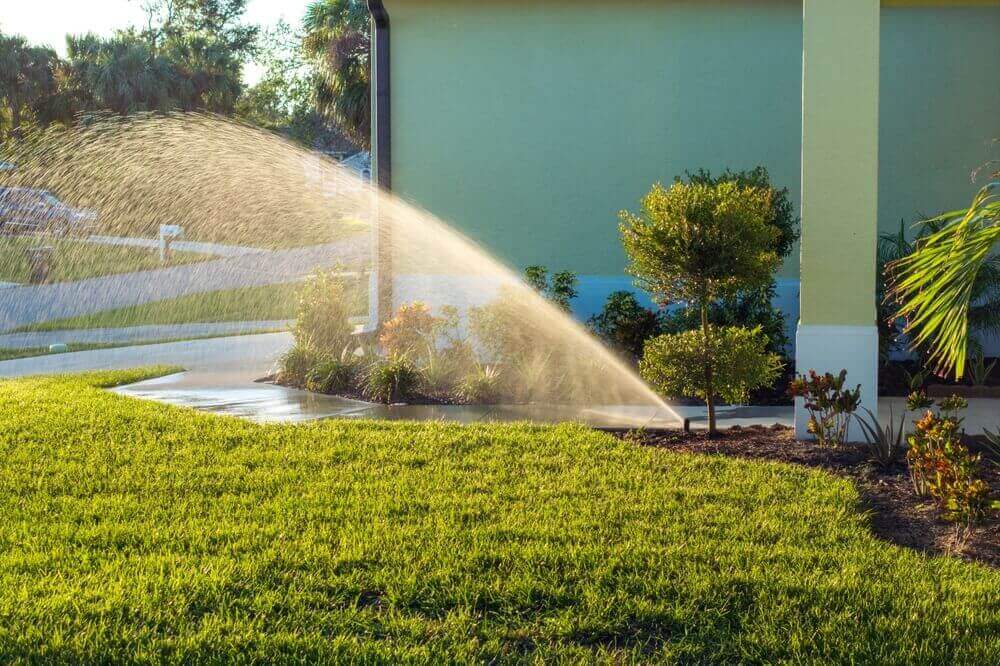
Not every lawn care calendar works the same across the country. Your region changes everything.
Northern states have shorter growing seasons. Cool-season grasses like Kentucky bluegrass and tall fescue grow best here. Spring and fall are your most active maintenance windows.
Southern states need year-round attention. Warm-season grasses like Bermuda and Zoysia thrive in heat and stay active longer. Your lawn treatment calendar runs almost every month.
The transition zone- states like Virginia, Kansas, and North Carolina- sits right in the middle. You may grow both grass types. Your monthly yard maintenance plan needs a mixed strategy.
📍Not sure what applies to your exact location? The USDA Cooperative Extension Office finder connects you to local lawn experts in your state. They give you region-specific advice- free of charge.
Your region sets the rules. Your grass type sets the schedule. Now let’s talk about the mistakes that cost homeowners the most time and money.
Common Lawn Care Mistakes to Avoid Each Season
Even a solid lawn care schedule falls apart when you make these mistakes. Avoid them, and you stay ahead of 90% of homeowners.
- Mowing too short in summer: Scalping the lawn scorches the soil and kills roots. Keep your mowing height at 3–4 inches during hot months.
- Watering at night: Wet grass sitting overnight feeds fungal disease and mold. Always water between 6 and 10 AM so the grass dries during the day.
- Fertilizing dormant grass: Dormant grass absorbs nothing. You waste money and push unnecessary chemicals into the soil.
- Skipping aeration on compacted soil: Compacted soil blocks water, air, and nutrients from reaching the root zone. Aerate every year in late summer or early fall.
- Applying pre-emergent too late: Pre-emergent only works before weed seeds germinate. Apply it when soil temperature consistently hits 50–55°F in spring.
- Leaving leaf piles on grass through winter: Thick leaf piles block sunlight and trap moisture. That combination breeds mold and dead patches by spring.
Follow your seasonal lawn care schedule closely, and you will naturally avoid every mistake on this list. Next- straight answers to the questions homeowners ask most.
Conclusion
A healthy lawn does not happen by accident. It follows a plan.
This month by month lawn care calendar gives you exactly that. You now know what to do every month, every season, and every region.
Start with your grass type. Follow the monthly lawn care tasks. Avoid the common mistakes. Stay consistent.
Small actions every month build a lawn that stays green, thick, and healthy all year long.
Pick the current month and start today.

